12 days
Daily Tour
Unlimited
English
Based on 2 guests sharing a twin/double room
Minimum guests: 2
This twelve-day voyage through the Caucasus reveals the enduring spirit of communities shaped by history, landscape, and faith. Beginning in Baku, Azerbaijan’s capital, the itinerary moves from the ancient walled city and its Silk Road echoes to the fluid lines of contemporary architecture. The journey then turns towards the country’s rural heartlands, uncovering the distinct heritage of Molokan villages and the lasting imprint of German colonists, whose vineyards and churches speak of a complex past.Crossing into Georgia, the focus shifts to the German settlements of Kvemo Kartli, where the architecture and viticultural traditions of Katharinenfeld remain. Tbilisi, a city of five faiths, offers a study in coexistence, its ancient core a mosaic of mosques, synagogues, and cathedrals. The highlands of Samtskhe-Javakheti introduce the unique Doukhobor communities, whose preserved way of life offers a rare glimpse into a spiritual Christian tradition.The final arc of the tour explores Armenia, a land defined by its dramatic monastic complexes carved into gorges and perched on plateaus. From the frescoes of Akhtala to the UNESCO-listed Haghpat, these sites stand as testaments to early Christian artistry. Lake Sevan’s vast expanse gives way to Yerevan, where ancient manuscripts and the sound of the duduk underscore a profound cultural identity. This progression through the Caucasus offers a nuanced understanding of its layered histories and the resilient communities that define its character.
Route: Airport → Baku
The journey commences with arrival at Heydar Aliyev International Airport. Guests are transferred to their accommodation in Baku. This initial day is for settling in and independent exploration, allowing for acclimatisation to the city. The evening offers a first impression of Baku's blend of ancient and contemporary character.
Route: Baku
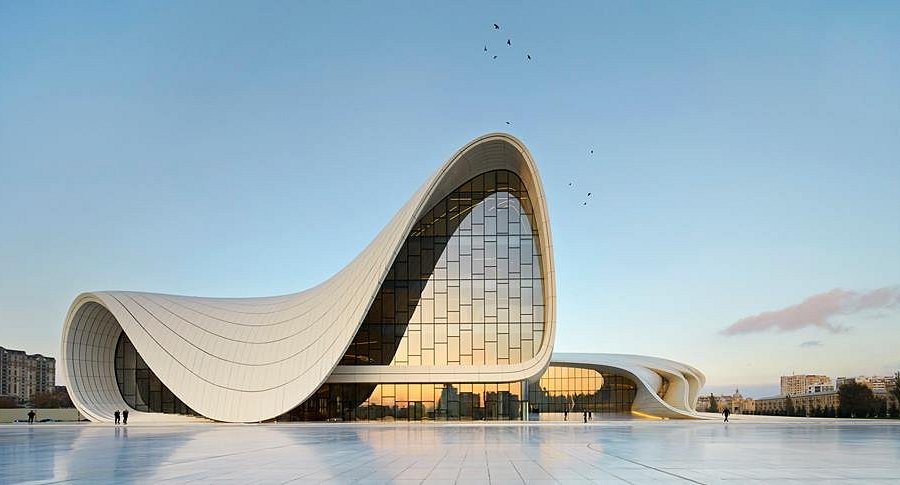
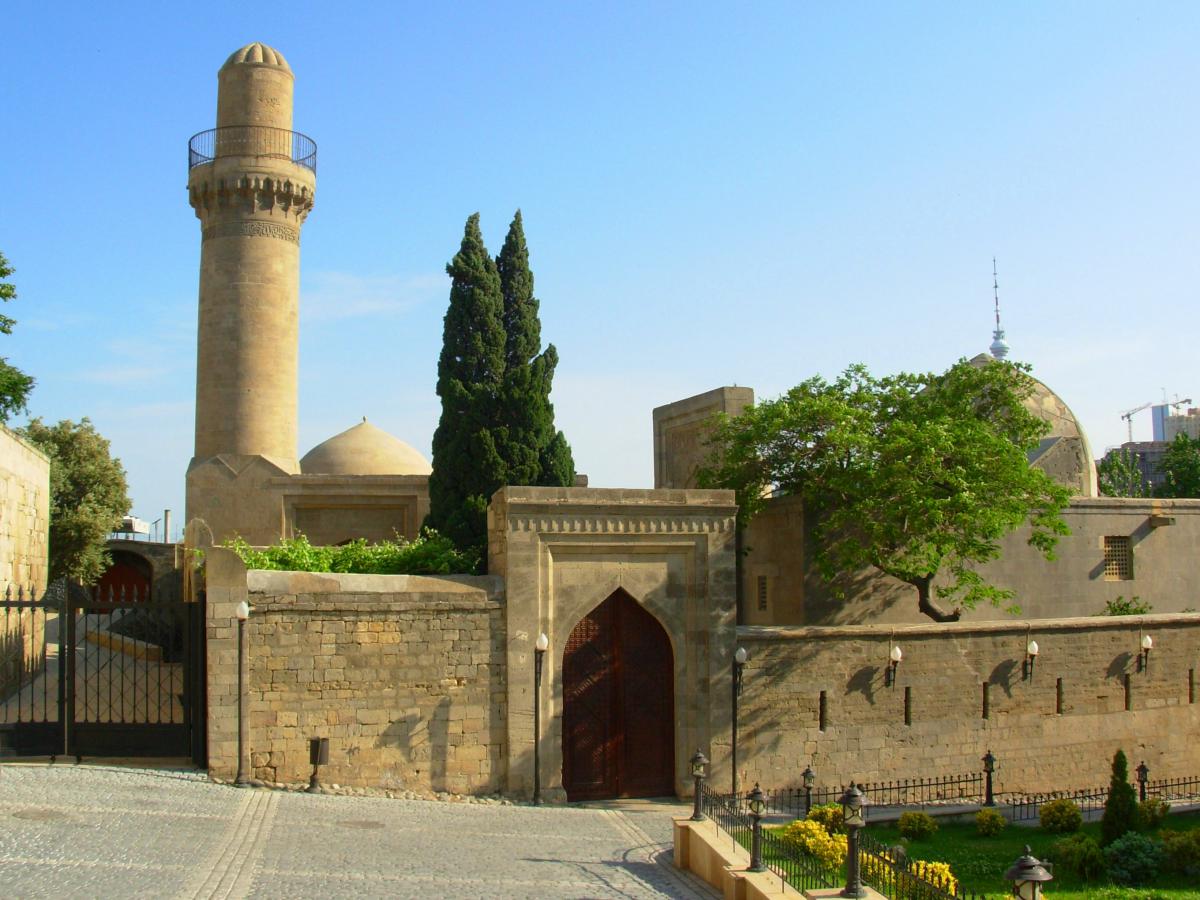
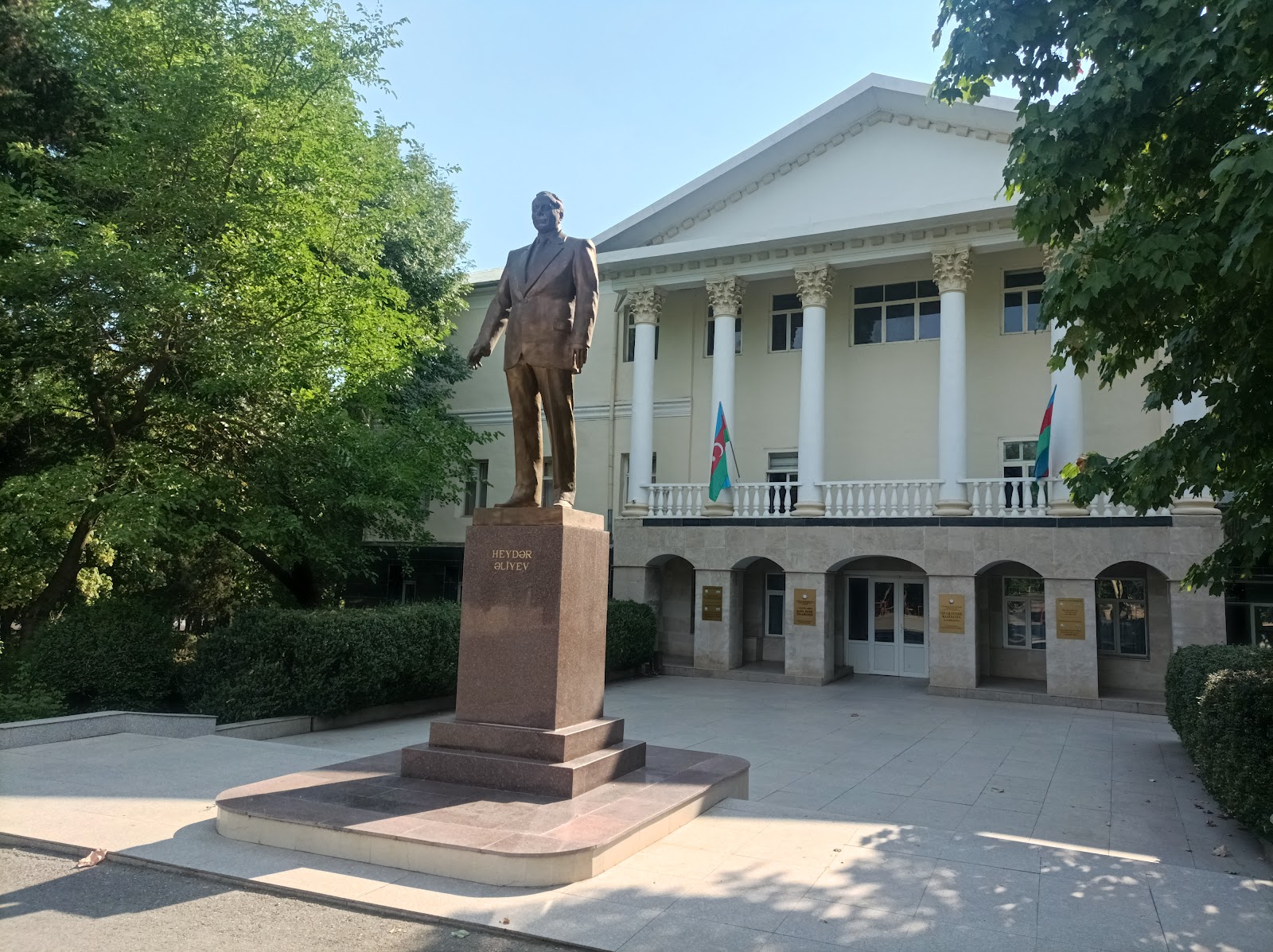
Within Baku's ancient walls, the Palace of the Shirvanshahs reveals medieval grandeur. Its honey-coloured stone structures, encompassing courtyards and mausoleums, speak of a dynasty that shaped the Caspian region. Nearby, the Multani and Bukhara Caravanserais stand as echoes of the Silk Road, their arcaded spaces once bustling with traders from distant lands. The city's modern vision is then encountered at the Heydar Aliyev Center, an architectural work of fluid design.
Route: Baku
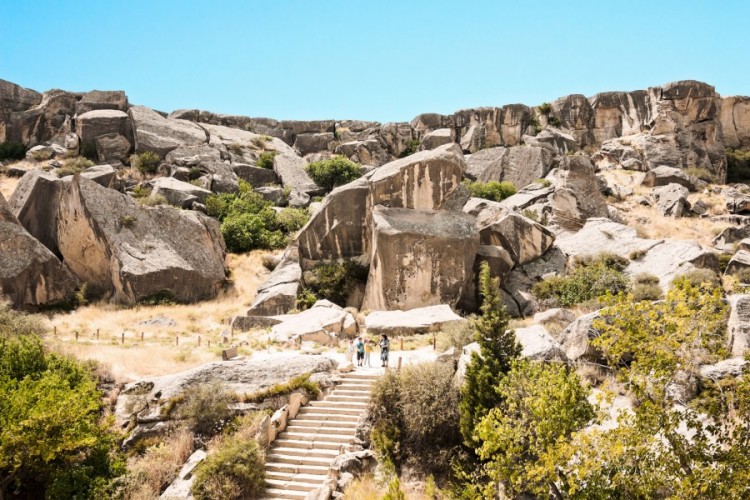
South of Baku, the Gobustan State Historical and Cultural Reserve preserves millennia of human presence, its rock carvings providing insight into prehistoric life. The landscape is further shaped by the Mud Volcanoes, a natural phenomenon of bubbling earth. Returning towards the capital, the Bibi Heybat Mosque, a spiritual site overlooking the Caspian, offers a moment of quiet. The day concludes with these ancient natural formations and sacred spaces.
Route: Baku → Ganja
The journey moves from Baku towards the Ismayilli hills, where the Juma Mosque in Shamakhi marks a historical Islamic presence. The focus then shifts to Ivanovka Molokan Village, a rare surviving Russian spiritual Christian community. Here, the Ivanovka Ethnographic Museum and the Nikitin Collective Farm offer insights into their enduring communal life. A hands-on honey-making experience and a home-hosted lunch provide a direct connection to their traditions before arriving in Ganja.
Route: Ganja - Goygol
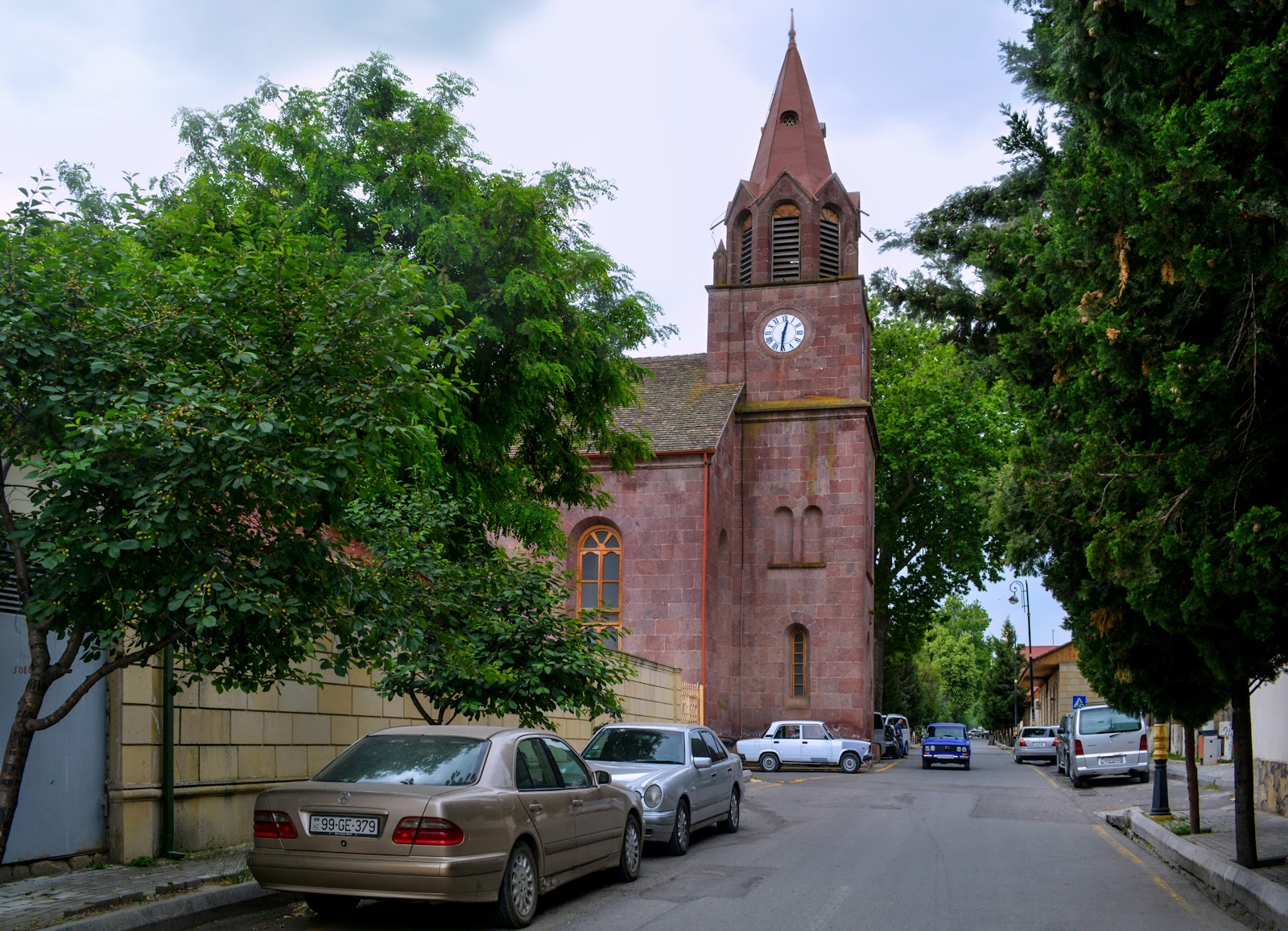
Goygol, once the German colony of Helenendorf, reveals its past through St. John's Lutheran Church, a red-brick testament to its former community. The Viktor Klein House Museum offers a personal narrative of the last German resident, while the Goygol Wine Factory, established in 1860, connects to the region's viticultural heritage through a tasting. The Goygol German Cemetery provides a poignant reflection on their enduring presence and eventual departure. The day concludes with a return to Ganja.
Route: Ganja - Red Bridge
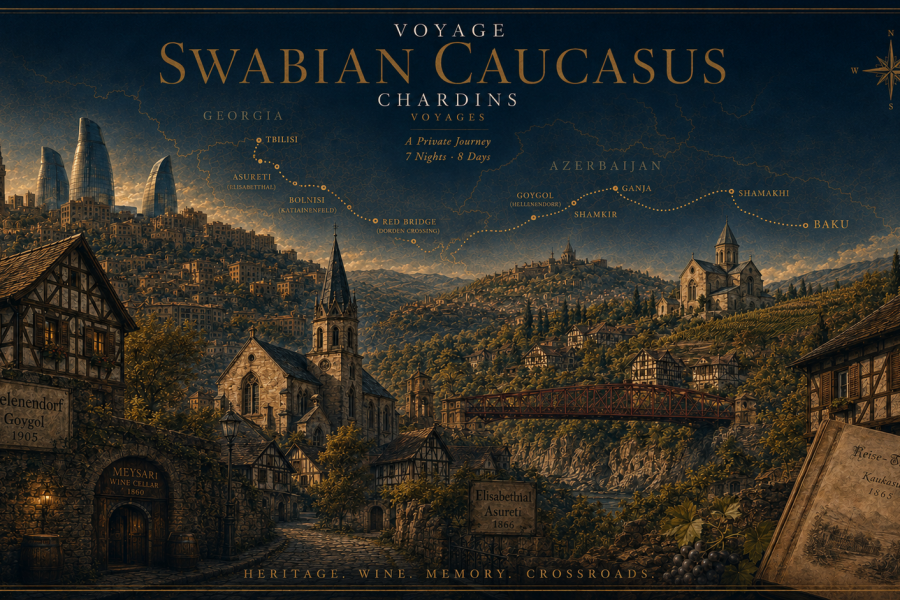
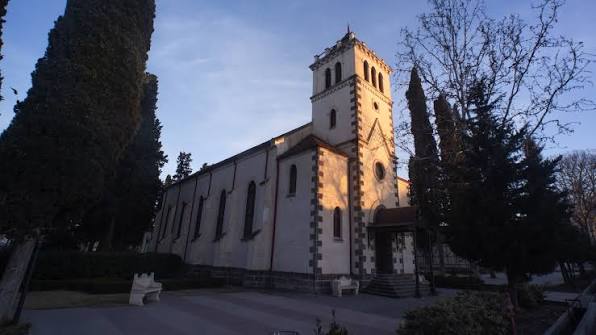
The route from Ganja leads to the Annenfeld Lutheran Church of Shamkir, another architectural legacy of German settlement. Crossing the Red Bridge into Georgia, the landscape changes, and the Bolnisi Regional Museum introduces the history of Katharinenfeld, a Swabian colony. A walk through the German Settlement Quarter in Bolnisi reveals preserved 19th-century houses, followed by a wine tasting in historic cellars. The German Memorial in Bolnisi offers a quiet moment of remembrance before arrival in Tbilisi.
Route: Tbilisi
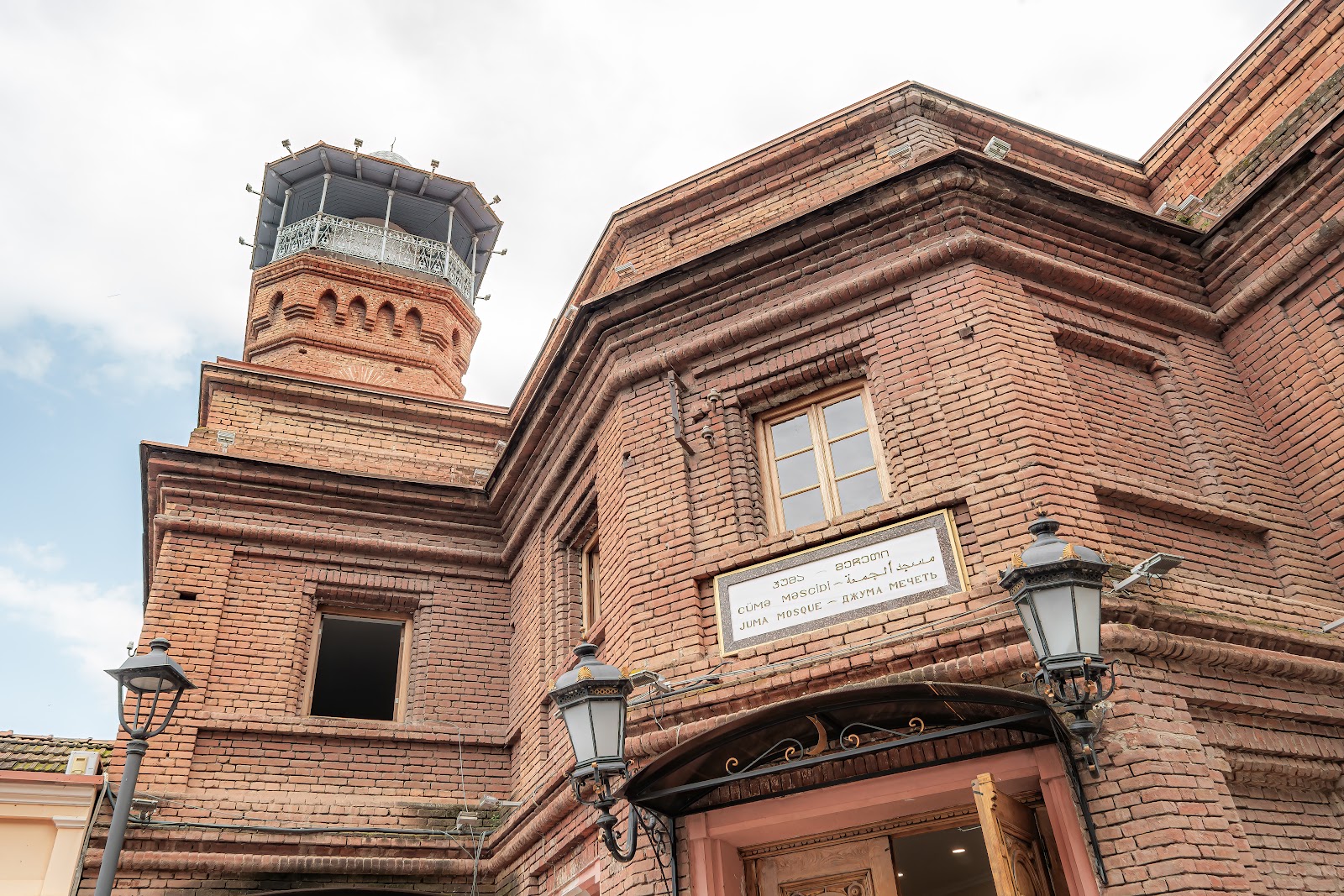
Tbilisi's ancient core unfolds as a testament to religious coexistence. The Juma Mosque, with its striped minaret, stands near the Great Synagogue, a grand structure serving a community present for millennia. The Armenian Cathedral of Saint George, with its rich frescoes, precedes the Sioni Cathedral, one of Georgia's most important Orthodox churches. This walking tour through the city's heart reveals centuries of shared history, concluding with The St. Peter and St. Pauls Church.
Route: Tbilisi
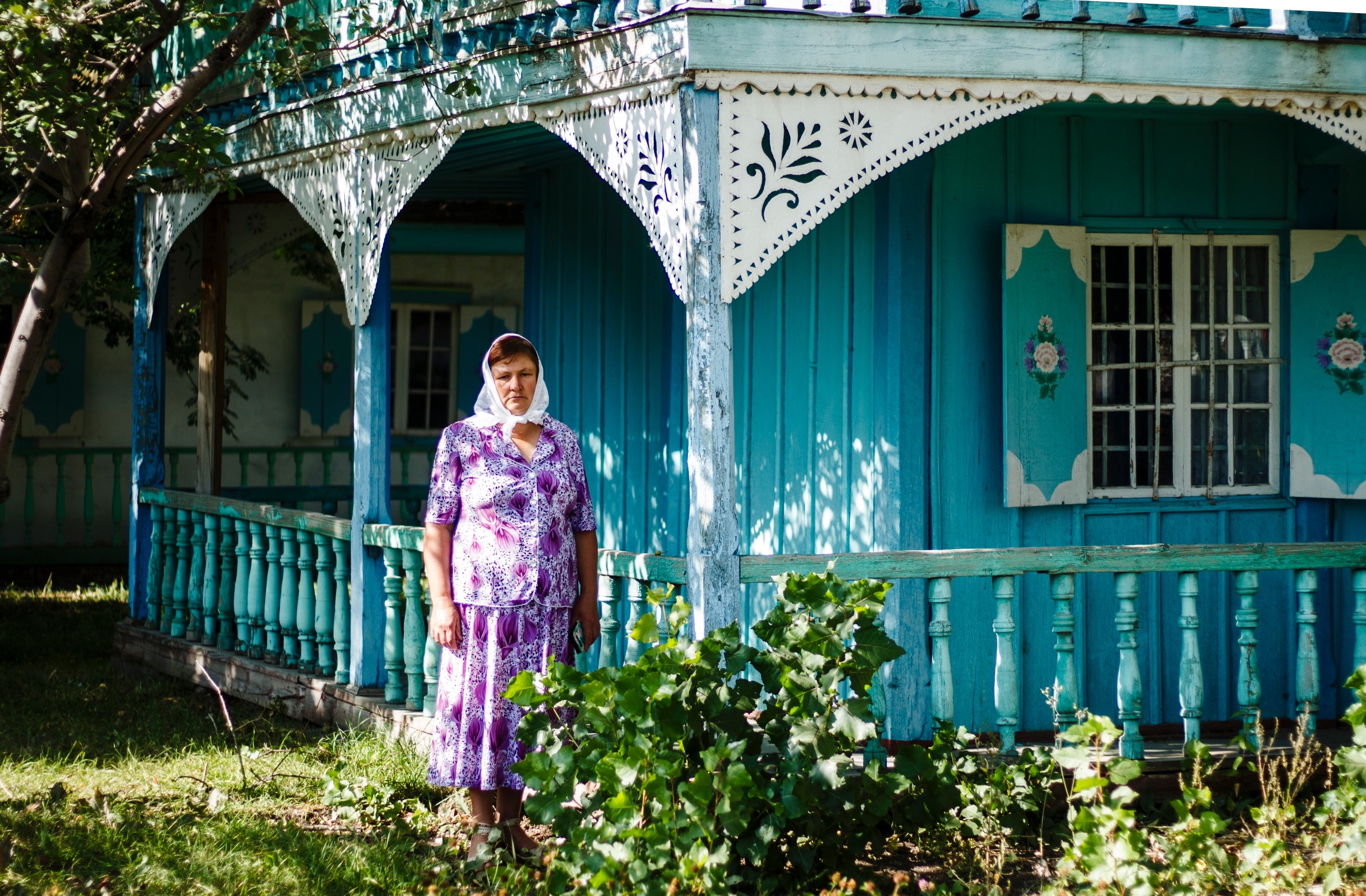
South of Tbilisi, the high plateaus of Samtskhe-Javakheti reveal Paravani Lake, Georgia's largest, surrounded by expansive landscapes. Poka Monastery, on its shores, offers a tranquil historical site. The journey continues to Gorelovka Doukhobor Village, a community exiled from Russia, where blue-trimmed wooden houses and the Sirotsky Dom prayer house preserve distinct traditions. A visit to the Dukhobors “Blue House” and a traditional dinner in Gorelovka offer insight into this culture before returning to Tbilisi.
Route: Tbilisi → Dilijan
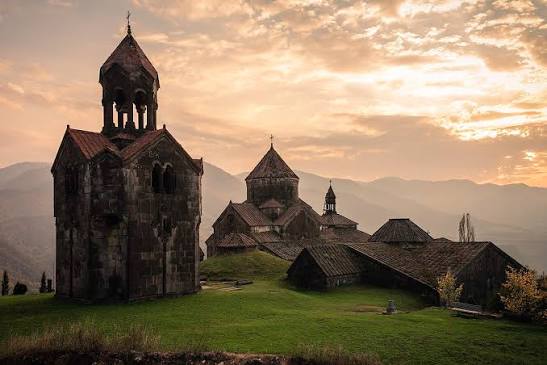
Crossing into Armenia at the Sadakhlo Border, the landscape transforms into the dramatic Debed Canyon. Akhtala Monastery, a fortified complex, guards remarkably preserved Byzantine-style frescoes. The Nurik Center offers a hands-on masterclass, connecting to local crafts. Haghpat Monastery, a UNESCO World Heritage site, showcases exquisite Armenian monastic architecture, while Odzun Basilica stands majestically on a plateau. The Fioletovo Molokan Village offers another glimpse into a distinct community before arrival in Dilijan.
Route: Dilijan → Yerevan
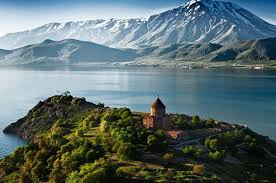
From Dilijan, the route leads to Lake Sevan, Armenia's expansive high-altitude lake, often referred to as the "Jewel of Armenia." Arriving in Yerevan, the capital's cultural depth unfolds. Matenadaran, a repository of ancient manuscripts, preserves the nation's literary heritage. A Duduk Master Visit offers an encounter with this instrument, a symbol of Armenian culture. The day culminates with an exploration of the Ararat Brandy Museum & Factory, delving into the history of this renowned spirit.
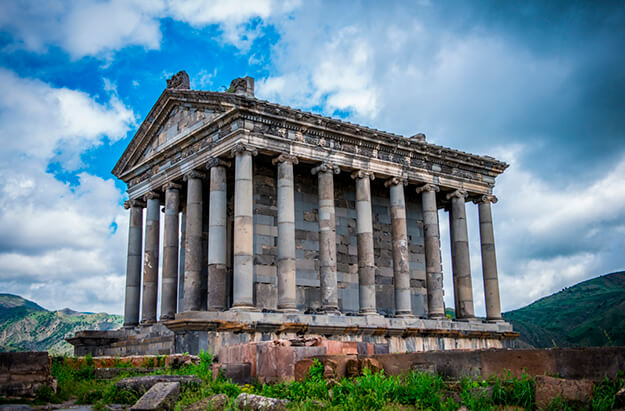
Route: Yerevan → Garni → Geghard → Yerevan
The day explores Armenia's spiritual heritage and natural beauty near Yerevan. Geghard Monastery, partially carved from rock, presents medieval architecture within a unique setting. The "Symphony of Stones," basalt columns in the Azat River gorge, offers an impressive geological formation. The Temple of Garni, a Hellenistic structure, stands with panoramic views. A lavash masterclass in Garni provides insight into traditional Armenian culinary practices, followed by lunch. The Ararat Brandy Museum & Factory offers a final tasting.
Route: Yerevan → Yerevan International Airport
The final day allows for a period of personal reflection or last-minute exploration in Yerevan. Guests may choose to revisit a favoured quarter or acquire mementos of their journey. The tour concludes with a transfer to Yerevan International Airport, marking the end of a comprehensive exploration of the Caucasus's diverse communities and landscapes.

Member Since 2025